
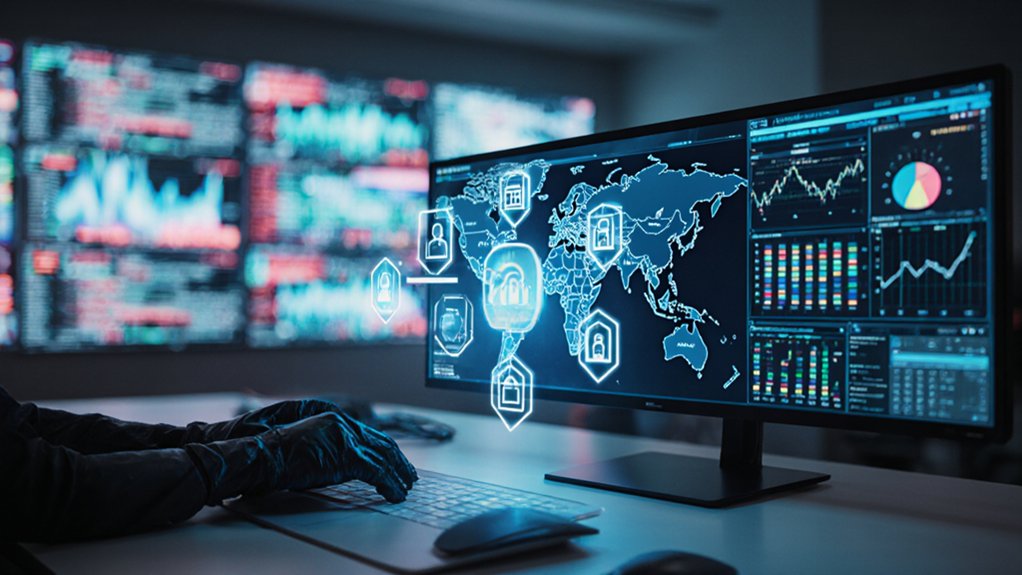
As we explore the latest advancements in AI for cybersecurity, we see how these technologies are reshaping threat detection and identity verification. Recent updates highlight significant improvements in anomaly detection and biometric authentication. These tools not only enhance security but also streamline user experiences. But what does this mean for the future of our digital safety? Let’s unpack the current trends and implications that are emerging in this critical field.
Key Takeaways
- AI-driven anomaly detection enhances threat identification, allowing organizations to proactively address potential cyber breaches.
- Predictive analytics utilize historical data to forecast emerging cyber threats, improving overall security strategies.
- Identity verification tools, including biometric authentication, reduce false positives and enhance user authentication processes.
- Automated incident response systems minimize damage and downtime during security breaches, streamlining recovery efforts.
- Ongoing advancements in AI applications necessitate a focus on ethical considerations and user privacy in cybersecurity practices.
The Role of AI in Modern Threat Detection
As we navigate the complexities of today’s digital landscape, we can’t ignore the pivotal role AI plays in modern threat detection. By leveraging anomaly detection, we’re able to identify unusual patterns in data that may indicate potential security breaches. This proactive approach helps us stay ahead of cyber threats, rather than merely reacting to them after the fact. Additionally, predictive analytics allows us to forecast future attacks based on historical data and emerging trends. With these powerful tools at our disposal, we can enhance our security posture and make informed decisions. Together, we can harness AI to create a safer digital environment, ensuring that our organizations remain resilient against evolving cyber threats. Let’s embrace this technology for a robust defense strategy. Furthermore, this technology also enables predictive analytics to predict and mitigate risks effectively.
Top Trends Shaping AI in Cybersecurity Today
With AI’s growing influence in threat detection, it’s important to recognize the current trends shaping its application in cybersecurity. We’re witnessing a rapid evolution in how AI is used, particularly in the following areas:
- AI Ethics: As we integrate AI, it’s essential to address ethical concerns surrounding data privacy and bias.
- Predictive Analytics: Leveraging vast data sets allows us to anticipate potential threats before they materialize.
- Automated Incident Response: AI enables quicker responses to security breaches, minimizing damage and downtime.
- Enhanced User Authentication: We’re moving towards more sophisticated methods that balance security with user experience.
How Identity Verification Tools Influence AI Trends
While we explore the intersection of identity verification tools and AI trends, it’s clear that these tools play an essential role in shaping how we approach cybersecurity. As we integrate AI into our security frameworks, identity verification becomes vital in enhancing accuracy and reducing false positives. These tools help us authenticate users effectively, allowing our AI systems to focus on genuine threats rather than wasting resources on benign activities. Furthermore, the rise of biometric authentication and machine learning algorithms is driving innovations in identity verification, pushing AI integration to new heights. By leveraging these advancements, we can create robust security measures that not only protect sensitive information but also adapt to evolving threats, ensuring a safer digital landscape for everyone.
How to Measure AI’s Impact on Cyber Defense
To effectively measure AI’s impact on cyber defense, we need to adopt a systematic approach that focuses on key performance indicators (KPIs) and real-world outcomes. By implementing AI metrics, we can enhance our performance evaluation and guarantee our strategies align with our goals. Here are some essential aspects to take into account:
- Detection Rate: Measure how effectively AI identifies threats.
- Response Time: Evaluate the speed of AI in addressing incidents.
- False Positive Rate: Assess the accuracy of AI alerts.
- User Feedback: Gather insights from those interacting with AI tools.
What’s Next for AI in Cybersecurity?
As we look ahead, the future of AI in cybersecurity promises to reshape our defense strategies and enhance threat detection capabilities. Future advancements will enable us to predict and neutralize threats with unprecedented accuracy. We’ll likely see AI systems that not only analyze vast amounts of data in real-time but also adapt to evolving attack vectors. However, we must also address the ethical considerations that come with these technologies. Balancing innovation and privacy is essential, as we develop AI tools that guard against cyber threats while respecting user rights. By fostering a responsible approach, we can harness AI’s potential to create a safer digital environment for everyone. Together, let’s embrace these changes and prepare for a more secure future. Additionally, as AI evolves, the integration of case studies throughout the course will be crucial in understanding practical applications in cybersecurity.
Frequently Asked Questions
How Do AI Tools Handle False Positives in Threat Detection?
AI tools tackle false positives through rigorous false positive analysis and machine learning adjustments. By continuously refining algorithms, we enhance detection accuracy, reducing unnecessary alerts and improving our overall security posture. We’re committed to effective threat management.
What Are the Costs Associated With Implementing AI in Cybersecurity?
Implementing AI in cybersecurity involves significant implementation expenses and technology investments. We’ve seen costs related to software acquisition, ongoing maintenance, and training staff, but the potential benefits often justify these financial commitments in enhancing security.
Can AI Learn From Past Cyber Incidents Effectively?
Yes, AI can effectively learn from past cyber incidents. By leveraging machine learning algorithms, we analyze incident data, allowing us to identify patterns and improve our defenses against future threats through continuous incident analysis and adaptation.
What Industries Benefit Most From Ai-Driven Identity Verification?
We believe the finance sector, healthcare industry, retail security, government agencies, and education institutions benefit most from AI-driven identity verification. These sectors enhance security, streamline processes, and improve user experience through advanced verification technologies.
Are There Any Legal Implications of Using AI in Cybersecurity?
Yes, there are legal implications when we use AI in cybersecurity. We must navigate data privacy laws and ethical considerations to guarantee compliance and protect user information, balancing innovation with responsibility in our approaches.
Conclusion
As we embrace the advancements AI brings to cybersecurity, we must remain vigilant about the ethical implications of these technologies. By harnessing AI for enhanced threat detection and identity verification, we can strengthen our defenses against evolving cyber threats. Let’s continue to stay informed and adapt our strategies, ensuring a secure digital environment for everyone. Together, we can navigate the challenges and opportunities that lie ahead in this rapidly changing landscape.