
Key Takeaways
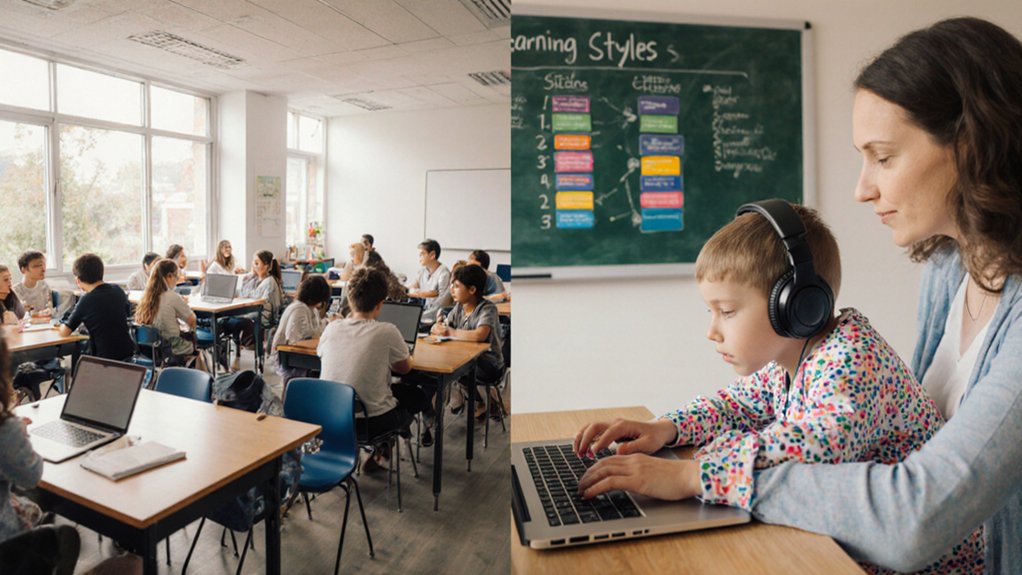
- Assess your child’s learning preferences to determine if they thrive in interactive environments or benefit more from independent study approaches.
- Consider the importance of social engagement, as offline formats enhance face-to-face interactions while online may limit peer connections.
- Evaluate educational goals; hybrid models offer flexibility, blending traditional and online resources to cater to diverse learning needs.
- Monitor engagement levels and motivation; some children may excel in structured offline settings, while others thrive in the flexibility of online formats.
- Create a supportive learning environment tailored to your child’s needs, utilizing diverse resources and maintaining open communication about their experiences.
Understanding Offline Learning Formats: Benefits and Limitations
While we often think of online learning as the primary option today, offline learning formats still offer unique benefits and limitations that can greatly impact our children’s education. Traditional classrooms provide structured schedules that help our kids thrive in a routine. With hands-on activities, they can engage with the material in ways that foster deeper understanding. The direct teacher interaction allows for personalized feedback, addressing our children’s specific needs. Additionally, these environments enhance social development as they interact with peers face-to-face. However, resource accessibility can sometimes be a drawback, especially in underfunded schools. Finally, while some kids benefit from a slower learning pace, others may feel stifled. Balancing these aspects is essential in deciding the best approach for our children’s learning.
Exploring Online Learning Formats: Pros and Cons for Students
As we explore online learning formats, we quickly discover both their advantages and challenges for our children. Online courses can enhance flexibility and accessibility, making learning more personalized. However, they also pose challenges like reduced face-to-face interaction, which can impact student motivation.
Here’s a quick overview:
| Pros | Cons | Impact on Student Motivation |
|---|---|---|
| Flexible schedule | Limited social interaction | May decrease motivation |
| Access to diverse resources | Requires self-discipline | Can increase motivation |
| Personalized learning | Potential for distractions | Depends on engagement |
Ultimately, the effectiveness of online courses hinges on balancing these pros and cons, ensuring our children thrive in their learning environments.
Understanding Hybrid Learning Models: Benefits and Challenges
Hybrid learning models blend traditional in-person education with online components, offering a unique approach that many families find appealing. By utilizing flexible scheduling, we can tailor education to fit our children’s needs. This model encourages personalized instruction, allowing students to progress at their own pace.
With interactive technology, our kids can engage with diverse resources, enhancing their learning experience. Collaborative projects foster teamwork and communication skills, essential for their future. However, we must also consider the challenges, such as ensuring adequate teacher support and effective assessment strategies. Balancing online and in-person elements can be tricky, but when executed well, hybrid learning can offer a rich, engaging, and adaptable educational journey for our children.
Finding Your Child’s Learning Style
To help our children succeed, we need to identify their unique learning styles. By observing their learning preferences and evaluating how engaged they are in different activities, we can tailor our approach. Let’s explore how we can better understand what works best for them. Additionally, understanding data science training programs can provide insights into how structured learning can benefit various learning styles.
Observing Learning Preferences
While we may have a general idea of how our children learn, observing their unique preferences can reveal valuable insights. By using different observation techniques, we can identify their learning styles more clearly. For instance, we might notice our child’s enthusiasm when engaging with hands-on activities or how they light up during discussions. Keeping a journal of these moments can help us track patterns over time. We should also pay attention to how they respond to various teaching methods, whether visual aids, auditory instructions, or kinesthetic tasks. This careful observation not only enhances our understanding but also allows us to tailor their learning experiences, ensuring they thrive in their educational journey.
Assessing Engagement Levels
How can we gauge our child’s engagement levels to better understand their learning style? By focusing on specific engagement metrics, we can see what truly resonates with them. Let’s consider how our child interacts with different learning environments:
- Participation in interactive activities: Are they excited and involved?
- Completion rates of assignments: Do they consistently finish tasks, especially those that interest them?
- Feedback from our child: What do they say about their learning experiences?
Engagement Levels in Different Learning Formats
When we consider engagement levels, it’s clear that in-person interaction offers unique benefits that can enhance our children’s learning experiences. At the same time, we can explore digital engagement strategies that keep kids motivated and involved. Let’s also think about how different learning environments can impact their ability to connect and thrive. Additionally, expert mentorship during training can significantly boost a student’s confidence and understanding of complex subjects.
In-Person Interaction Benefits
As we explore the benefits of in-person interaction, it’s clear that face-to-face learning fosters higher engagement levels than many online formats. In-person classes allow our children to develop essential social skills and engage in meaningful peer collaboration.
- They can read body language and facial expressions, enhancing communication.
- Group activities encourage teamwork and problem-solving, vital for their development.
- Immediate feedback from teachers helps clarify doubts and boosts confidence.
These elements create a dynamic learning environment where students feel connected and motivated. By participating in discussions and group projects, our children not only absorb information better but also build lasting relationships. In-person interaction truly enriches their educational experience, setting a strong foundation for future success.
Digital Engagement Strategies
While in-person interaction offers numerous advantages, we can’t overlook the potential of digital engagement strategies in enhancing learning experiences. By utilizing digital tools and interactive platforms, we can create a dynamic environment that captures our children’s attention. Engagement metrics help us assess how well our kids are connecting with the material, allowing us to make necessary adjustments.
Virtual collaboration fosters teamwork and social skills, even from a distance. Additionally, multimedia resources, such as videos and interactive quizzes, cater to different learning preferences, making lessons more appealing. Feedback mechanisms, like instant quizzes and discussion boards, encourage ongoing dialogue, ensuring our children remain engaged and motivated. Together, these strategies can greatly improve our child’s learning journey in the digital age.
Learning Environment Impact
Understanding how different learning environments impact engagement levels is essential for tailoring our children’s educational experiences. Through impact analysis, we can see how each format influences their motivation and participation.
- Offline courses often foster personal connections and immediate feedback, enhancing engagement.
- Hybrid courses provide a balance, allowing for both face-to-face interaction and flexible online resources, keeping our children motivated.
- Online courses can be effective for self-directed learners, but they may lack the personal touch that some kids thrive on.
Essential Factors in Choosing the Best Learning Format for Your Child
When we consider the best learning format for our child, it’s crucial to evaluate several essential factors that align with their unique needs. First, we should reflect on our child’s learning preferences. Do they thrive in interactive environments, or do they prefer independent study? Next, we must think about their educational goals. Are they aiming for a specific academic outcome, or do they need flexibility to explore various subjects? Additionally, we should consider our child’s social needs and how they engage with peers. Finally, let’s keep in mind our family’s schedule and resources, as these can greatly impact our decision. By carefully weighing these factors, we can choose the learning format that best supports our child’s growth and development. Moreover, certification preparation can offer structured guidance and support, enhancing their learning experience and preparing them for future academic or professional opportunities.
Tips for Supporting Your Child in Their Learning Environment
After selecting the right learning format for our child, it’s important to actively support them in their learning environment. We can enhance their educational experience through effective parental involvement and tailored learning strategies. Here are some tips to help us:
- Create a designated study space: A quiet, organized area can boost focus and productivity.
- Encourage open communication: Regularly check in with our child about their learning experiences and challenges.
- Utilize diverse resources: Explore various tools and materials that align with their learning style, like videos, books, or interactive apps.
Frequently Asked Questions
How Do I Know if My Child Prefers Online or Offline Learning?
To figure out our child’s learning preferences, we can start by observing how they engage with different subjects. Let’s try various assessment methods, like quizzes or hands-on projects, to see what excites them. Asking them about their experiences with online or offline activities can also provide insights. By discussing their thoughts and feelings, we’ll better understand which environment suits them best, leading to a more effective learning experience for our child.
What Are the Costs Associated With Each Learning Format?
When we look at the costs associated with each learning format, we see varying factors. Tuition fees can differ considerably, especially for online versus offline courses. Material costs also play a role, with some formats requiring more supplies. Travel expenses are a consideration for offline learning, while technology requirements for online courses might add to initial costs. It’s essential to weigh these factors to find the best fit for our child’s education.
Can Hybrid Courses Accommodate Different Learning Paces?
Absolutely, hybrid courses can accommodate different learning paces. They offer personalized learning experiences, allowing us to tailor the pace to each student’s needs. With flexible scheduling, we can balance online components with in-person interactions, ensuring that every child gets the attention they need. This combination not only enhances understanding but also helps students feel more comfortable and confident in their learning journey. We’re excited about the possibilities hybrid courses can provide!
How Do Social Interactions Differ in Each Learning Format?
In offline courses, we see vibrant peer engagement and face-to-face interactions, which really boost our communication skills. Hybrid formats offer some of that in-person connection while also providing online discussions, allowing for varied engagement levels. Online courses, however, often limit social interactions, relying on forums or chats that can feel less personal. Each format presents unique opportunities for building relationships, but the depth of those interactions can vary considerably.
What Technology Is Needed for Online and Hybrid Courses?
For online and hybrid courses, we’ll need reliable learning platforms and specific hardware requirements. A good computer or laptop with a strong internet connection is essential for accessing course materials and participating in discussions. Headphones with a microphone can enhance our communication during virtual classes. We should also consider software like video conferencing tools and document-sharing applications to collaborate effectively. By ensuring we have the right tech, we can maximize our learning experience together.
Conclusion
In summary, choosing the right learning format for our children isn’t one-size-fits-all. Whether we lean towards offline, online, or hybrid courses, it’s essential to reflect on their unique learning styles and needs. By staying engaged and supportive, we can help them thrive in whichever environment suits them best. Let’s explore these options together, ensuring our kids have the tools they need to succeed in their educational journeys. After all, their success is our shared goal!