
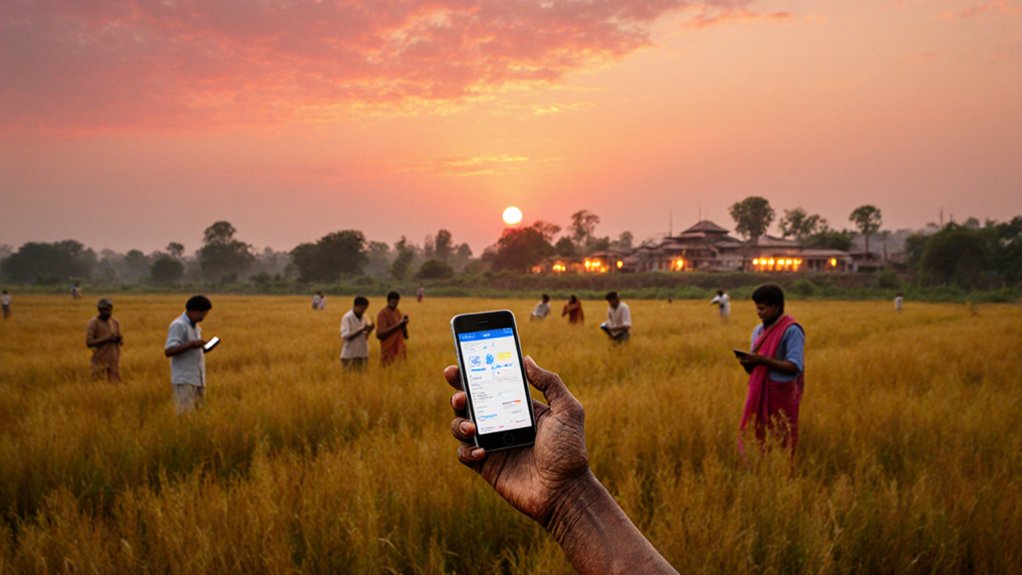
As we explore the AI divide in rural India, we must consider the unique challenges these communities face. Limited access to technology and digital literacy can hinder progress. Yet, there’s potential for transformative change if we take the right steps. By focusing on areas like agriculture and education, we can pave the way for significant advancements. What strategies might be most effective in ensuring that rural India doesn’t get left behind in this technological revolution?
Key Takeaways
- Rural India can benefit from AI through enhanced agricultural practices, leading to increased yields and sustainable farming methods.
- Improved digital literacy programs will empower farmers to effectively utilize AI tools and resources.
- AI-driven platforms can provide direct market access, ensuring fair prices for rural farmers and reducing reliance on intermediaries.
- Telemedicine innovations will enhance healthcare access in rural areas, improving overall health outcomes and reducing travel costs for patients.
- Government policies promoting digital infrastructure and community engagement are crucial for bridging the digital divide and maximizing AI benefits in rural India.
The Unique Challenges Facing Rural India
While we often celebrate the advancements in technology, we can’t ignore the unique challenges facing rural India that hinder its growth. One major issue is the lack of digital literacy among farmers and community members, which limits their ability to access valuable resources and tools. Without proper knowledge of digital platforms, they struggle to adopt innovative agricultural practices, ultimately impacting agricultural sustainability. Additionally, inadequate infrastructure compounds these problems, making it difficult for rural areas to connect with broader markets and information networks. We need to advocate for targeted educational programs that enhance digital skills and promote sustainable farming techniques. By addressing these challenges, we can empower rural communities and guarantee they benefit from the ongoing technological revolution.
Current AI Landscape in India: What Rural Areas Need to Know
As we consider the challenges faced by rural India, it’s important to recognize the burgeoning potential of artificial intelligence (AI) in transforming these communities. Many of us may not realize that AI can enhance various aspects of rural life, from education to healthcare. To bridge the gap, AI literacy initiatives are essential; they empower individuals with the skills to understand and utilize AI tools effectively. Additionally, community engagement plays a significant role in this journey. By involving local leaders and residents in AI discussions, we can tailor solutions that address specific needs. Together, we can foster an environment where rural communities harness AI’s capabilities, ensuring they’re not left behind in this digital revolution. Let’s embrace this opportunity for growth and development. Furthermore, hands-on practical sessions in machine learning can provide the necessary skills for rural youth to engage with AI technologies effectively.
Opportunities for AI in Agriculture and Farming
AI is revolutionizing agriculture and farming in rural India, opening up a world of opportunities for increased productivity and sustainability. By harnessing AI technology, we can transform our farming practices and guarantee a more secure future. Here are some key areas where AI can make a significant impact:
- Precision Agriculture: Tailoring farming practices to specific field conditions enhances resource optimization.
- Crop Monitoring: Utilizing AI for real-time crop monitoring allows for proactive management.
- Yield Prediction: Advanced algorithms help forecast yields, guiding planting and investment decisions.
- Pest Management: AI-driven tools provide insights for effective pest management, reducing losses.
Through these innovations, we can enhance soil analysis, adapt to climate changes, and improve market access, ultimately benefiting rural communities.
Enhancing Rural Education and Skills Through AI
As we explore how AI can transform education in rural India, we see its potential for creating personalized learning experiences tailored to each student’s needs. By implementing skill development programs powered by AI, we can equip individuals with the tools they need to thrive in today’s job market. Together, we can shape a brighter future for rural communities through innovative educational approaches. Additionally, through project-centric skill development, learners can engage in practical applications that reinforce their understanding of AI concepts.
Personalized Learning Experiences
How can we transform education in rural India to meet the diverse needs of every student? By leveraging AI, we can create personalized learning experiences that foster growth and engagement. Here’s how we can accomplish this:
- Adaptive Learning: Tailoring lessons to individual learning paces guarantees everyone grasps fundamental concepts.
- Curriculum Customization: Localizing content makes it more relevant and relatable for students.
- Engagement Strategies: Utilizing interactive tools keeps students motivated and involved.
- Feedback Mechanisms: Instant feedback helps students and teachers assess progress and adjust methods.
Skill Development Programs
While we endeavor to enhance education in rural India, implementing skill development programs through AI can greatly empower communities. By leveraging AI, we can conduct skill assessments that identify individual strengths, tailoring training partnerships to meet local needs. This targeted approach guarantees that our efforts are aligned with the job market, increasing employability for rural youth.
| Skill Area | Assessment Method | Training Partnerships |
|---|---|---|
| Agriculture | Practical Tests | Local NGOs |
| Digital Literacy | Online Quizzes | Tech Companies |
| Handicrafts | Portfolio Review | Artisans’ Cooperatives |
| Healthcare | Simulated Scenarios | Medical Institutions |
Together, we can create pathways for success, bridging the gap between education and employment in rural regions.
Improving Healthcare Access in Rural Areas With AI
As we explore how AI can transform healthcare in rural India, we can’t overlook the impact of telemedicine innovations that make access easier for everyone. With AI diagnostics, even the most remote areas can benefit from timely and accurate healthcare solutions. Plus, predictive analytics can help us anticipate health trends, allowing us to act before issues arise.
Telemedicine Innovations for Accessibility
Although many rural areas in India face significant barriers to healthcare access, telemedicine innovations powered by AI are transforming the landscape. These advancements are making healthcare more accessible through:
- Remote consultations: Patients can connect with doctors from the comfort of their homes, reducing travel time and costs.
- Digital health platforms: These platforms integrate various health services, offering a thorough approach to patient care.
- AI-driven chatbots: These tools provide 24/7 support, answering health-related questions and guiding users to the right resources.
- Health monitoring apps: They allow for ongoing patient assessment, enabling timely interventions without the need for physical appointments.
Together, these innovations are bridging the gap in healthcare access, ensuring rural communities receive the care they need.
AI Diagnostics for Remote Areas
With AI diagnostics rapidly evolving, we’re witnessing a significant shift in how healthcare is delivered in rural areas of India. These diagnostic tools offer incredible AI accessibility, enabling remote monitoring of patients’ health without the need for constant travel. By implementing user-friendly interfaces, we can guarantee that even those with limited tech experience can benefit. Community engagement is crucial, as we work together to address local health issues and build trust in these technologies. Additionally, healthcare training for local professionals is necessary to maximize the impact of these tools. We must also prioritize data privacy to protect patients’ information. Through technology partnerships, we can create a sustainable model that ultimately improves healthcare outcomes for rural populations.
Predictive Analytics in Healthcare
By harnessing predictive analytics, we can transform healthcare access in rural India, anticipating health trends and potential outbreaks before they escalate. This approach not only saves lives but also optimizes resources. Here are four key benefits we can expect:
- Timely Interventions: By analyzing historical data, we can identify at-risk populations and initiate preventive measures.
- Resource Allocation: Predictive models help us distribute healthcare resources efficiently, ensuring they reach those in need.
- Cost Reduction: Early detection of health issues can notably lower treatment costs and improve patient outcomes.
- Ethical Considerations: We must balance data privacy with the need for accurate predictions, ensuring ethical use of personal health information.
Together, we can leverage AI to enhance healthcare accessibility and quality in rural regions.
How Government Policies Can Drive AI Adoption
Government policies play an essential role in driving AI adoption, especially in rural India. By implementing strong policy incentives, we can encourage local entrepreneurs and businesses to invest in AI technologies. These incentives may include grants, tax breaks, or support for research and development. Additionally, establishing robust digital infrastructure is vital. We need to guarantee that rural areas have access to reliable internet and technological resources, enabling them to harness AI’s potential effectively.
Moreover, targeted training programs can help equip the workforce with the necessary skills to utilize AI tools. By focusing on Data Analysis Training, we can create an environment where AI thrives, ultimately benefiting rural communities and enhancing economic opportunities across the region. Let’s work together toward this vision!
Bridging the Digital Divide in Rural Areas
As we endeavor to bridge the digital divide in rural areas, it’s vital to recognize that access to technology is a fundamental right in today’s world. To make strides in this direction, we need to focus on several key elements:
- Improving Internet Access: Expanding broadband infrastructure guarantees every rural household can connect online.
- Enhancing Digital Literacy: Offering training programs will empower individuals to use technology effectively.
- Promoting Affordable Devices: Subsidizing smartphones and computers will make technology accessible to all.
- Fostering Community Initiatives: Local organizations can play a significant role in driving awareness and support.
Additionally, implementing AI training programs can equip rural communities with the skills needed to thrive in a technology-driven economy.
Together, we can create a digital landscape where everyone, regardless of their location, can thrive and benefit from the advancements in technology.
Lessons Learned From Successful AI Implementations
With improved digital access and literacy paving the way for innovation, we’ve seen remarkable examples of AI making a positive impact in rural India. Success stories abound, showcasing how local farmers use AI-powered tools for precision farming, leading to better yields and sustainable practices. These implementations highlight the importance of tailored strategies, like involving communities in the development process and providing adequate training. We’ve learned that leveraging local knowledge can enhance acceptance and effectiveness. Additionally, partnerships with tech companies can guarantee ongoing support and resources. By focusing on user-friendly designs and integrating AI into existing systems, we can replicate these successes elsewhere, making a difference in many more rural areas. Together, we can harness AI’s potential for widespread benefit.
How Can AI Shape the Future of Rural Development?
While we explore the potential of AI, it’s clear that its integration into rural development can transform livelihoods and boost economic growth. Here’s how we can leverage AI for a brighter rural future:
- Sustainable Agriculture: AI can optimize farming practices, reducing waste and increasing crop yields through precision agriculture techniques.
- Market Access: By using AI-driven platforms, farmers can connect with buyers directly, ensuring fair prices and reducing reliance on middlemen.
- Community Engagement: AI tools can foster collaboration among local farmers, encouraging knowledge sharing and collective problem-solving.
- Resource Management: Smart sensors and AI analytics can help manage water and soil health, promoting long-term sustainability. Additionally, training programs in data science can equip rural youth with the necessary skills to leverage these technologies effectively.
Together, we can harness AI to empower rural communities and create lasting change.
Conclusion
In summary, we believe that with the right strategies and support, rural India can truly benefit from AI advancements. By addressing the unique challenges and leveraging opportunities in agriculture, education, and healthcare, we can foster sustainable development and improve quality of life. Together, let’s advocate for policies that bridge the digital divide and empower our rural communities. With commitment and collaboration, we can shape a brighter future where everyone enjoys the benefits of AI growth.